


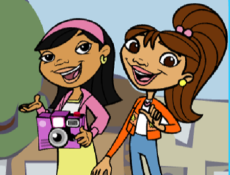
Maya And Miguel is an educational game that presents a set of interactive activities based on everyday situations and basic learning tasks. The player engages with characters and completes short exercises that focus on problem-solving, observation, and simple decision-making. The gameplay is structured around guided interaction, where each activity provides clear instructions and immediate feedback.



Maya And Miguel
Advertisement
Advertisement


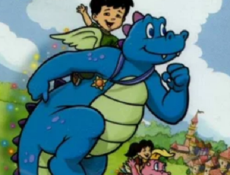
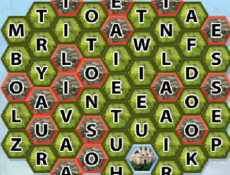
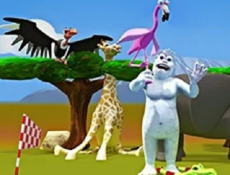
Maya And Miguel is an educational game that presents a set of interactive activities based on everyday situations and basic learning tasks. The player engages with characters and completes short exercises that focus on problem-solving, observation, and simple decision-making. The gameplay is structured around guided interaction, where each activity provides clear instructions and immediate feedback.
Activity Structure and Flow
The game is divided into separate segments, each representing a small task or scenario. These activities may involve helping characters complete a goal, identifying objects, or selecting correct answers from given options. Each task is self-contained and can be completed independently of others.
Progression is simple and does not require unlocking complex systems. Players move between activities through a straightforward interface, allowing repeated access to any section.
Interaction and Controls
Maya And Miguel uses direct interaction with on-screen elements. The player performs actions by selecting, dragging, or placing items according to instructions. The interface highlights interactive objects, making it clear what actions are available.
Typical interaction types include:
- Selecting items to solve tasks
- Dragging objects to correct locations
- Matching elements based on visual cues
- Completing short sequences of actions
- Following prompts to finish objectives
These mechanics remain consistent across all activities.
Feedback and Learning Approach
The game provides immediate feedback for each action. Correct responses allow the player to continue, while incorrect choices prompt another attempt. There are no penalties or time limits, which supports a steady pace of interaction.
Concepts are reinforced through repetition. Similar tasks appear in different forms, helping the player improve recognition and accuracy over time.
Replay and Practical Use
Maya And Miguel is designed for repeated use rather than progression toward completion. Players can revisit activities as needed to practice specific skills. There is no scoring system that limits access to content.
The game functions as a basic educational tool. Its structure focuses on simple interaction, allowing players to engage with tasks in a controlled environment and gradually improve their understanding through repeated practice.
Comments (0)


2026
