
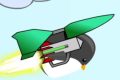
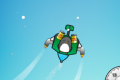
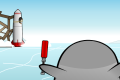
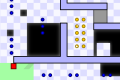
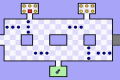
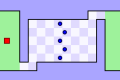
Twilight Vs Walking is a physics-based arcade game where the player controls a character by managing individual body parts instead of using standard movement inputs. The gameplay is built around unstable motion, requiring the player to coordinate multiple controls to move forward without falling. The objective is simple: reach the end of each area while maintaining balance.



Twilight Vs Walking
Advertisement

Advertisement




Twilight Vs Walking is a physics-based arcade game where the player controls a character by managing individual body parts instead of using standard movement inputs. The gameplay is built around unstable motion, requiring the player to coordinate multiple controls to move forward without falling. The objective is simple: reach the end of each area while maintaining balance.
Movement Mechanics and Core Concept
The game is based on a control system where each key corresponds to a specific limb or part of the body. Instead of a single movement command, the player must combine inputs to simulate walking. This creates a system where small mistakes can disrupt balance and lead to failure.
Movement is slow and requires precision. The player learns through repeated attempts how different inputs affect stability and direction. Progress is tied to understanding this control logic rather than reacting quickly.
Level Design and Progression
Twilight Vs Walking is divided into short segments that represent different areas. Each section introduces new obstacles such as uneven surfaces or elevation changes. The player advances by reaching checkpoints, which reduce the need to restart from the beginning after failure.
The layout is linear, and there are no alternative paths. Difficulty increases through more complex terrain rather than additional mechanics.
Controls and Input System
The game relies on a multi-key control scheme that requires coordination. Each input affects a different part of the character, and combining them correctly is necessary for forward movement.
Typical control elements include:
- Assigning keys to individual limbs
- Coordinating inputs to maintain balance
- Adjusting movement to avoid falling
- Restarting from checkpoints after failure
- Repeating actions to improve control
Mastery depends on learning how inputs interact rather than memorizing patterns.
Challenge and Replay Value
Twilight Vs Walking is designed around repetition and gradual improvement. Players often fail multiple times before achieving consistent movement. Each attempt provides feedback on how the control system behaves.
The game does not include upgrades or progression systems. Instead, improvement comes from increased control accuracy. Replay value is based on refining movement and completing levels with fewer mistakes, making the experience focused on skill development and coordination.
Comments (0)


2026
