




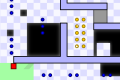
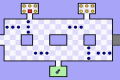
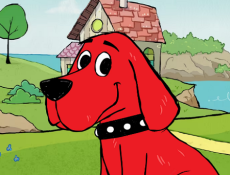
Clifford Puzzle Game is a simple puzzle-based title built around assembling images and solving basic visual tasks inspired by the Clifford the Big Red Dog universe. The gameplay focuses on arranging pieces correctly to complete pictures or patterns. It is designed for straightforward interaction, where the player works through puzzles using recognition and placement rather than complex mechanics.



Clifford Puzzle Game
Advertisement
Advertisement






Clifford Puzzle Game is a simple puzzle-based title built around assembling images and solving basic visual tasks inspired by the Clifford the Big Red Dog universe. The gameplay focuses on arranging pieces correctly to complete pictures or patterns. It is designed for straightforward interaction, where the player works through puzzles using recognition and placement rather than complex mechanics.
Puzzle Structure and Task Flow
The game is divided into separate puzzle activities that can be completed independently. Each task presents an incomplete image or layout that must be restored by placing pieces in the correct positions. The difficulty is determined by the number of pieces and their arrangement rather than time pressure.
Progression is linear but flexible. Players can move from one puzzle to another without managing a complex system of levels. Each activity is self-contained and does not depend heavily on previous results.
Controls and Interaction
Clifford Puzzle Game uses direct manipulation of objects on the screen. The player interacts with pieces by selecting and moving them into place. The interface highlights where pieces can fit, which helps guide the process.
Typical actions include:
- Dragging puzzle pieces into correct positions
- Rotating or adjusting elements if required
- Matching shapes and edges
- Completing images step by step
- Resetting the puzzle to try again
These mechanics remain consistent across all puzzles.
Visual Feedback and Completion
The game provides immediate visual confirmation when a piece is placed correctly. Incorrect placements are usually rejected or require adjustment. This feedback loop allows the player to refine positioning without penalty.
Completed puzzles reveal full images related to the game’s theme. The process emphasizes recognition of shapes, colors, and spatial relationships rather than speed or scoring.
Replay and Skill Development
Clifford Puzzle Game supports repeated playthroughs, allowing players to revisit puzzles and improve efficiency. Since the structure does not change, improvement comes from familiarity with piece placement and pattern recognition.
The game is designed as a basic puzzle environment. Its focus is on assembling images through simple interactions, making it suitable for repeated practice and gradual improvement in visual problem-solving.
Comments (0)


2026
