








Internet Archive Puffgame is a browser-based arcade title preserved through web archives, where the player controls a small character that navigates through obstacles and collects items. The gameplay is simple and focuses on movement, timing, and survival. The objective is to stay active on the screen for as long as possible while avoiding hazards and maintaining control.



Internet Archive Puffgame
Advertisement

Advertisement
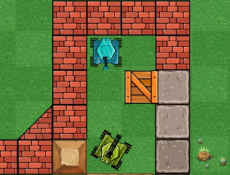



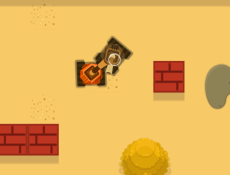

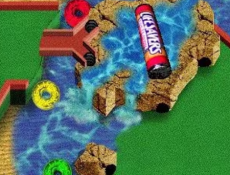
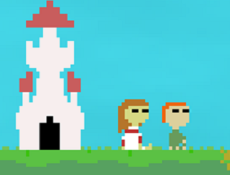
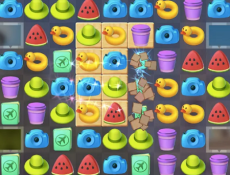
Internet Archive Puffgame is a browser-based arcade title preserved through web archives, where the player controls a small character that navigates through obstacles and collects items. The gameplay is simple and focuses on movement, timing, and survival. The objective is to stay active on the screen for as long as possible while avoiding hazards and maintaining control.
Core Gameplay and Objective
The main loop consists of guiding the character through a continuous environment where obstacles appear in different patterns. The player must react to these elements by adjusting movement and positioning. Progress is measured by distance, score, or survival time, depending on the version.
There are no complex missions or story elements. The structure is based on repeated attempts, where each session starts from the same conditions and develops based on player performance.
Controls and Movement System
Internet Archive Puffgame uses a minimal control scheme. The player interacts through basic inputs that influence direction or vertical movement. Precision is important, as small adjustments can determine whether the character avoids or hits an obstacle.
Typical gameplay actions include:
- Moving the character across the screen
- Adjusting height or direction to avoid hazards
- Timing inputs to pass through gaps
- Collecting items that increase score
- Maintaining control during faster sequences
These mechanics remain consistent throughout gameplay.
Obstacles and Difficulty Scaling
Obstacles vary in position and timing, requiring the player to stay attentive. Some hazards move, while others remain fixed but appear in tighter formations. As the session continues, the speed of the game often increases, reducing reaction time.
Difficulty scaling is gradual. Early moments allow the player to establish control, while later stages demand more precise timing and faster decision-making.
Replay and Preservation Context
Internet Archive Puffgame is typically accessed through archived platforms, which preserve older browser games for continued use. This means the game is often played in its original form without updates or additional content.
Replay value comes from improving performance across multiple attempts. Since the mechanics do not change, progress is based on refining control and reacting more efficiently to obstacles, making each session a test of consistency and timing.
Comments (0)


2026
