



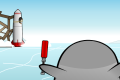
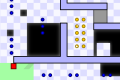
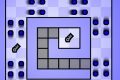
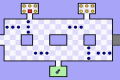
Social Interaction Trainer is a simulation-based game that presents everyday social situations as short interactive scenarios. The player controls a character and must respond to specific situations by choosing where to look or how to react. The gameplay focuses on understanding social cues and timing rather than traditional objectives. Each scenario is designed to reflect common interactions such as conversations, public behavior, or formal settings.



Social Interaction Trainer
Advertisement
Advertisement


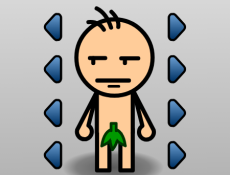

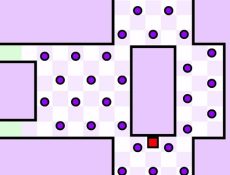



Social Interaction Trainer is a simulation-based game that presents everyday social situations as short interactive scenarios. The player controls a character and must respond to specific situations by choosing where to look or how to react. The gameplay focuses on understanding social cues and timing rather than traditional objectives. Each scenario is designed to reflect common interactions such as conversations, public behavior, or formal settings.
Scenario Design and Gameplay Flow
The game is divided into multiple short levels, each representing a different social context. Examples include public spaces, conversations, or formal events. In every scenario, the player receives a simple goal, such as maintaining eye contact or avoiding inappropriate behavior.
Progression is linear. After completing a scenario, the player moves to the next one, where conditions may change slightly. Difficulty increases by introducing more complex expectations or tighter timing requirements.
Controls and Interaction System
Social Interaction Trainer uses a minimal control scheme. The player typically interacts by controlling the character’s gaze or focus rather than performing complex actions. This design shifts attention toward interpreting situations correctly.
Typical interaction elements include:
- Adjusting where the character looks
- Holding or avoiding eye contact
- Reacting to environmental cues
- Timing responses within short intervals
- Repeating actions to correct mistakes
These mechanics remain consistent across all scenarios.
Feedback and Learning Mechanics
The game evaluates player input immediately. A correct response allows the scenario to continue, while an incorrect action results in failure and requires retrying. This structure reinforces learning through repetition.
There are no detailed explanations during gameplay. Instead, players learn by observing outcomes and adjusting behavior. This trial-and-error approach reflects the experimental nature of the system.
Structure and Replay Value
Social Interaction Trainer does not include progression systems such as upgrades or character development. The main incentive to continue playing is to complete all scenarios and improve performance in each one.
The game supports repeated attempts, allowing players to refine their understanding of each situation. Its design focuses on simulating social interactions in a controlled format, where success depends on recognizing patterns and responding appropriately.
Comments (0)


2026
